

Executive functions: how to promote your child's cognitive development
Executive functions are a set of essential cognitive processes that enable a person to plan, concentrate, remember instructions, and successfully manage multiple tasks. In children, the development of these functions is crucial for their academic, social, and emotional success. This article explores the different components of executive functions, their importance in child development, and presents strategies for strengthening them.
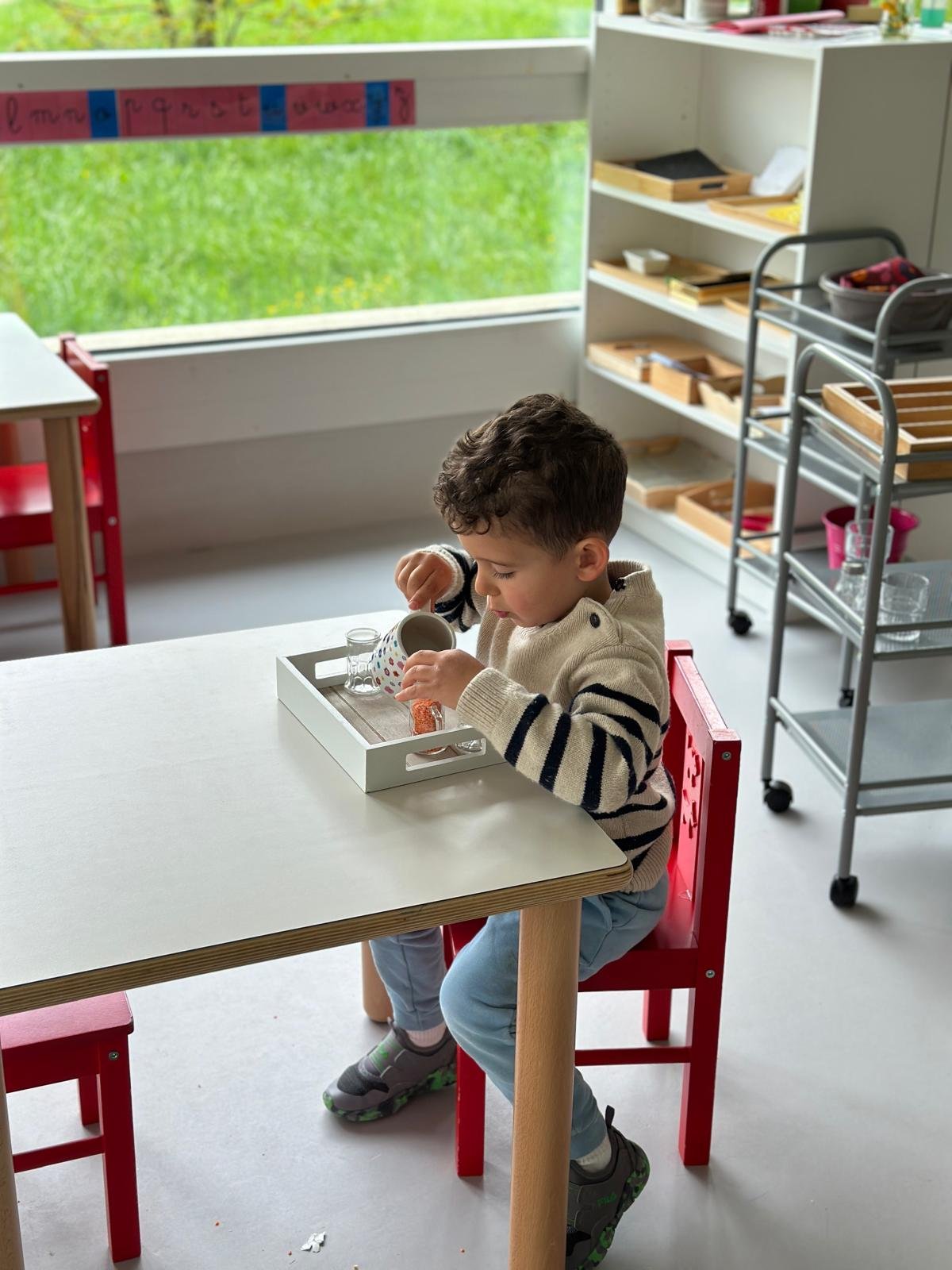
The Components of Executive Functions
Executive functions are generally divided into three main components: working memory, inhibitory control, and cognitive flexibility. Each plays a vital role in children's daily functioning and overall development.
1. Working Memory
Working memory is the ability to hold and manipulate information for short periods of time. It is crucial for tasks such as following instructions, solving complex problems, and performing mental calculations. Good working memory allows children to keep several items in mind at once and use them effectively.
2. Inhibitory Control
Inhibitory control, or inhibition, is the ability to control impulses and resist distractions. It allows children to focus on a specific task and control impulsive behaviors. Inhibitory control is essential for self-management, emotional regulation, and social interaction.

3. Cognitive Flexibility
Cognitive flexibility is the ability to switch between tasks or perspectives. It is important for adapting to new situations, solving problems creatively, and understanding different points of view. Cognitive flexibility helps children adjust when rules change or plans do not go as expected.
The Importance of Executive Functions
Executive functions are fundamental to academic success and everyday life. Children who develop strong executive skills are better equipped to handle complex academic tasks, such as reading, writing, and math. They are also better able to navigate social situations, manage stress, and make thoughtful decisions.
Studies show that executive functions are more reliable predictors of academic success than IQ. According to research conducted by Adele Diamond, a pioneer in the study of executive functions, these skills are also linked to long-term outcomes such as mental and physical well-being, professional success, and interpersonal relationships (Diamond, 2013).
The Marshmallow Test: A Measure of Inhibitory Control
The Marshmallow Test, designed by psychologist Walter Mischel in the 1960s, is a classic experiment that illustrates the importance of inhibitory control in children. In this study, a child is offered a marshmallow and the opportunity to receive a second marshmallow if they can wait 15 minutes without eating the first one. The results of the study revealed that children who were able to delay gratification tended to perform better academically and manage stress and frustration better later in life (Mischel et al., 1989).
Strategies to Promote Executive Functions
1. Games and Structured Activities
Games that require planning, working memory, and inhibitory control can help strengthen executive functions. Board games, puzzles, and building activities are particularly beneficial.
2. Structured and Predictable Environment
A structured environment helps children develop routines and understand expectations. Predictable routines can improve inhibitory control and cognitive flexibility by providing a framework in which children can learn and practice new skills.
3. Mindfulness Practice
Mindfulness practice can improve attention and inhibitory control. Simple exercises, such as mindful breathing or meditation, can help children focus and manage their emotions.
4. Encouraging Independence
Allowing children to make decisions and solve problems independently can strengthen their cognitive flexibility and working memory. Encouraging them to plan their activities and think about their choices also promotes the development of executive functions.
Thus, executive functions play a crucial role in children's cognitive and emotional development. Understanding these functions and strategies for strengthening them can help support children's optimal development. By incorporating structured activities, predictable routines, mindfulness practices, and opportunities for autonomy, we can help children develop strong executive functions, which are essential for their future success.