

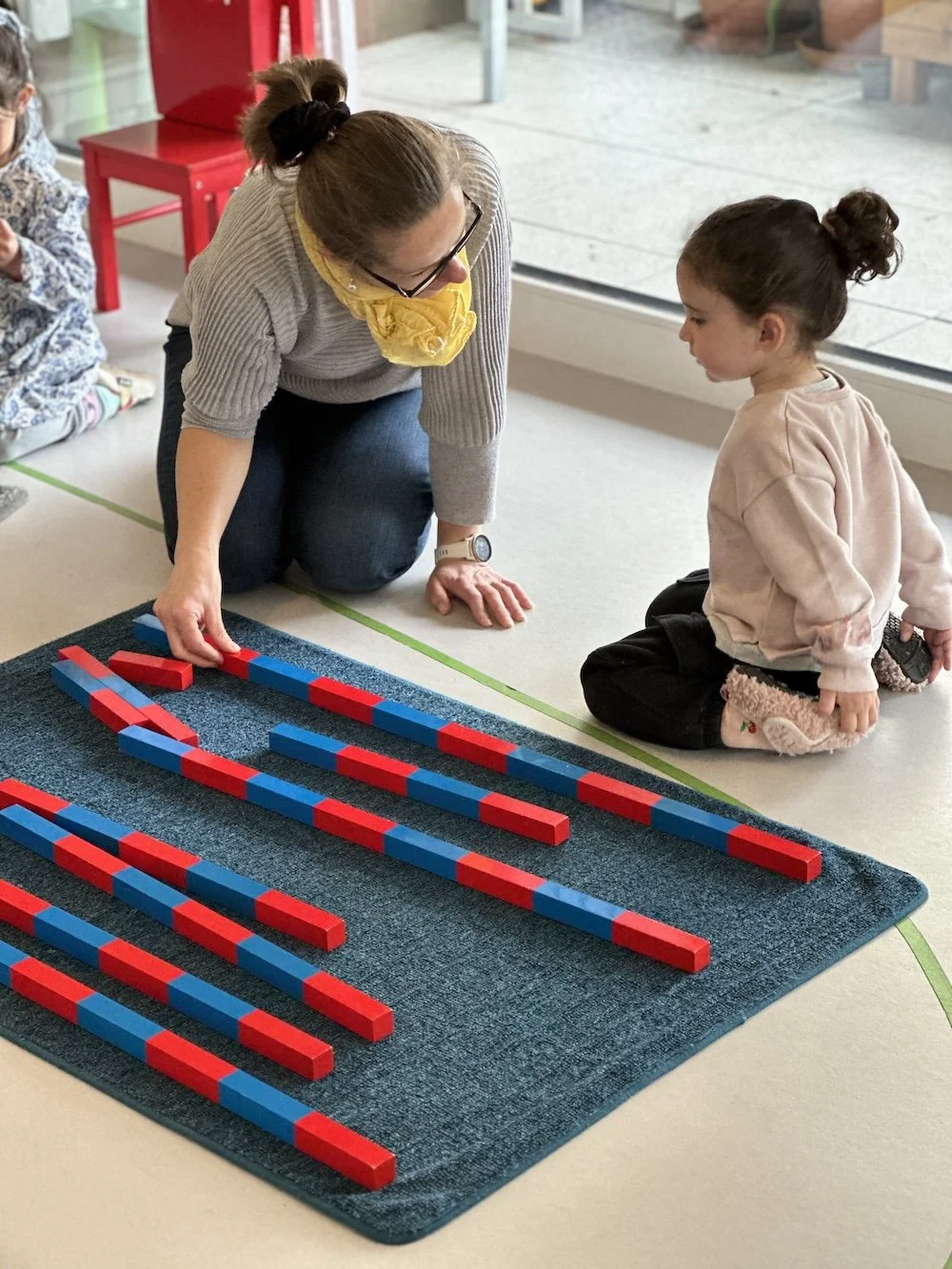
Intelligence is a complex concept that goes far beyond simple IQ scores. Howard Gardner, an American psychologist, proposed a theory that there are several forms of intelligence, each with its own characteristics and importance in human development. Today, numerous studies demonstrate how important it is for parents and educators to adopt strategies to support and develop these different forms in children from early childhood.
1- Linguistic intelligence
Linguistic intelligence manifests itself in the ability to use and understand language effectively. Children who are gifted in this area are often skilled speakers, avid readers, and talented writers. To support the development of linguistic intelligence in young children, it is essential to provide them with a language-rich environment. Reading aloud regularly, telling stories, singing songs, and encouraging open discussions are all effective ways to stimulate this form of intelligence.
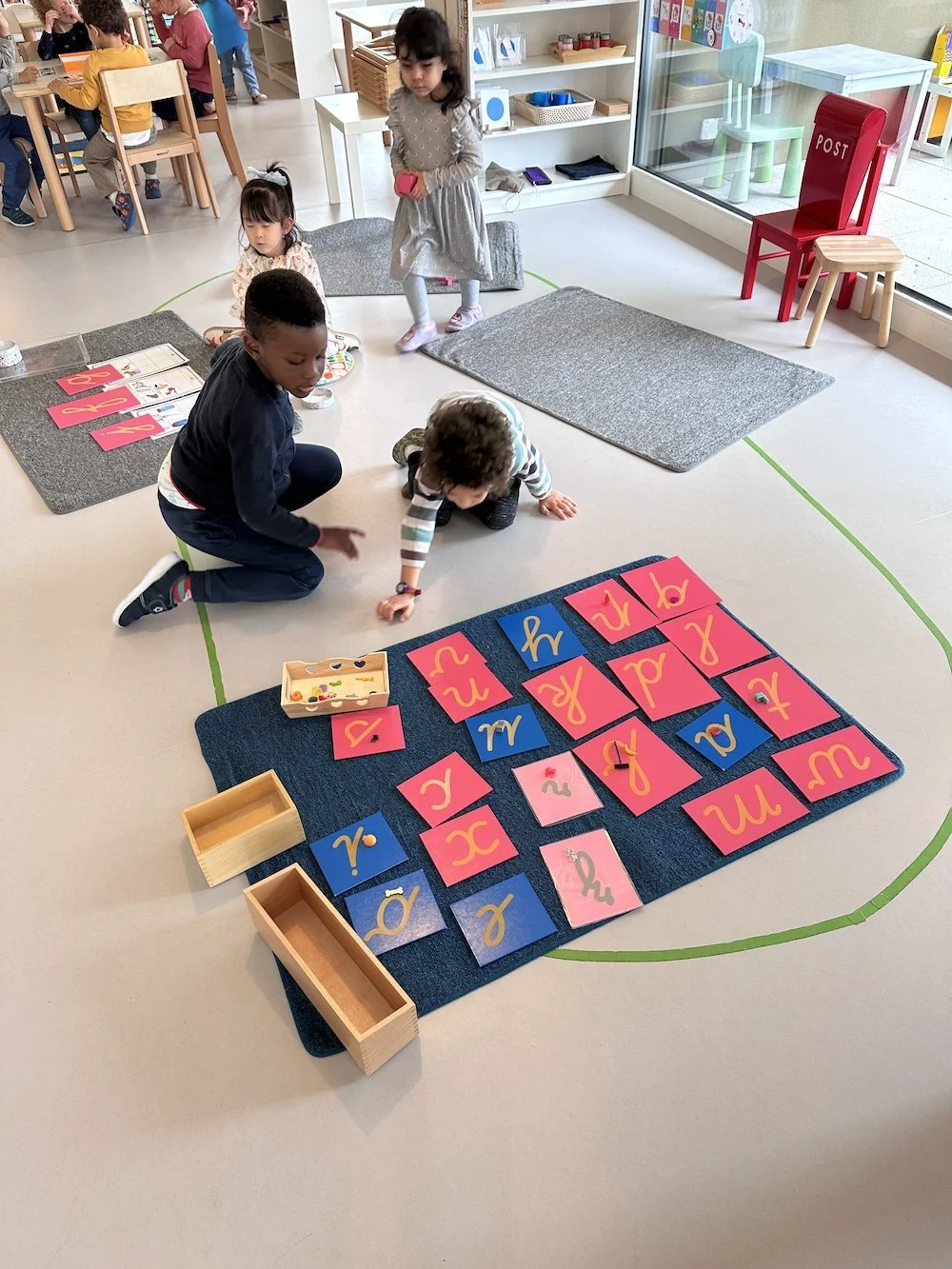
Rough letters
Rough letters are a wonderful Montessori material for teaching children to read. They help develop phonological awareness and thus facilitate the transition to reading.
2- Logical-mathematical intelligence
Logical-mathematical intelligence is characterized by the ability to solve complex problems, detect patterns, and reason abstractly. To support the development of this form of intelligence in young children, it is important to provide them with toys and activities that promote problem solving, such as puzzles, building blocks, and board games. Also encourage children to ask questions, explore, and experiment to develop their critical thinking and logical reasoning skills.
3- Spatial intelligence
Spatial intelligence involves the ability to perceive and manipulate shapes and spaces effectively. Children who are gifted in this area are often talented artists, budding architects, or skilled navigators. To support the development of this form of intelligence, encourage children to draw, paint, sculpt, and play with toys that emphasize spatial visualization, such as building blocks and 3D puzzles. In Montessori classrooms, the binomial and trinomial cube and the decanomial are great tools for supporting this intelligence.

The Decanomial or Pythagorean Table
This Montessori material offers a sensory approach to the Pythagorean table and prepares children for learning multiplication.
4- Bodily-kinesthetic intelligence
Bodily-kinesthetic intelligence manifests itself in exceptional physical coordination and body awareness. Children who are gifted in this area are often talented athletes, passionate dancers, or skilled craftspeople. To support the development of this form of intelligence, encourage children to participate in physical activities such as sports, dance, yoga, and outdoor games. Also provide them with toys and games that stimulate fine motor coordination, such as puzzles, building blocks, and bead games.
5- Musical intelligence
Musical intelligence involves sensitivity and an ability to appreciate, understand, and create music. Children who are gifted in this area are often talented musicians, passionate singers, or creative composers. To support the development of this form of intelligence, expose children to a variety of musical genres from an early age. Encourage them to explore different musical instruments, sing, dance, and create their own music.

6- Interpersonal intelligence
Interpersonal intelligence manifests itself in the ability to understand and interact effectively with others. Children who are gifted in this area are often empathetic, sensitive, and able to resolve conflicts constructively. To support the development of this form of intelligence, encourage children to participate in group activities, such as cooperative games, class projects, and extracurricular activities. Also, teach them to recognize and express their own emotions, as well as to understand those of others.
7- Intrapersonal intelligence
Intrapersonal intelligence is characterized by deep self-knowledge and the ability to understand and manage oneself effectively. Children who are gifted in this area are often independent, thoughtful, and capable of setting personal goals. To support the development of this form of intelligence, encourage children to reflect on their own thoughts, feelings, and motivations. Teach them to set goals, make decisions, and solve problems independently.
By recognizing and supporting different forms of intelligence in children from early childhood, parents and educators can play a crucial role in their overall development. By providing a stimulating environment and varied learning opportunities, we can help children reach their full potential and become well-rounded, creative, and competent individuals in all aspects of life. Let us never forget that every child is unique and deserves to be encouraged and supported on their own path to intellectual and personal fulfillment.