

10 Montessori tips for parents
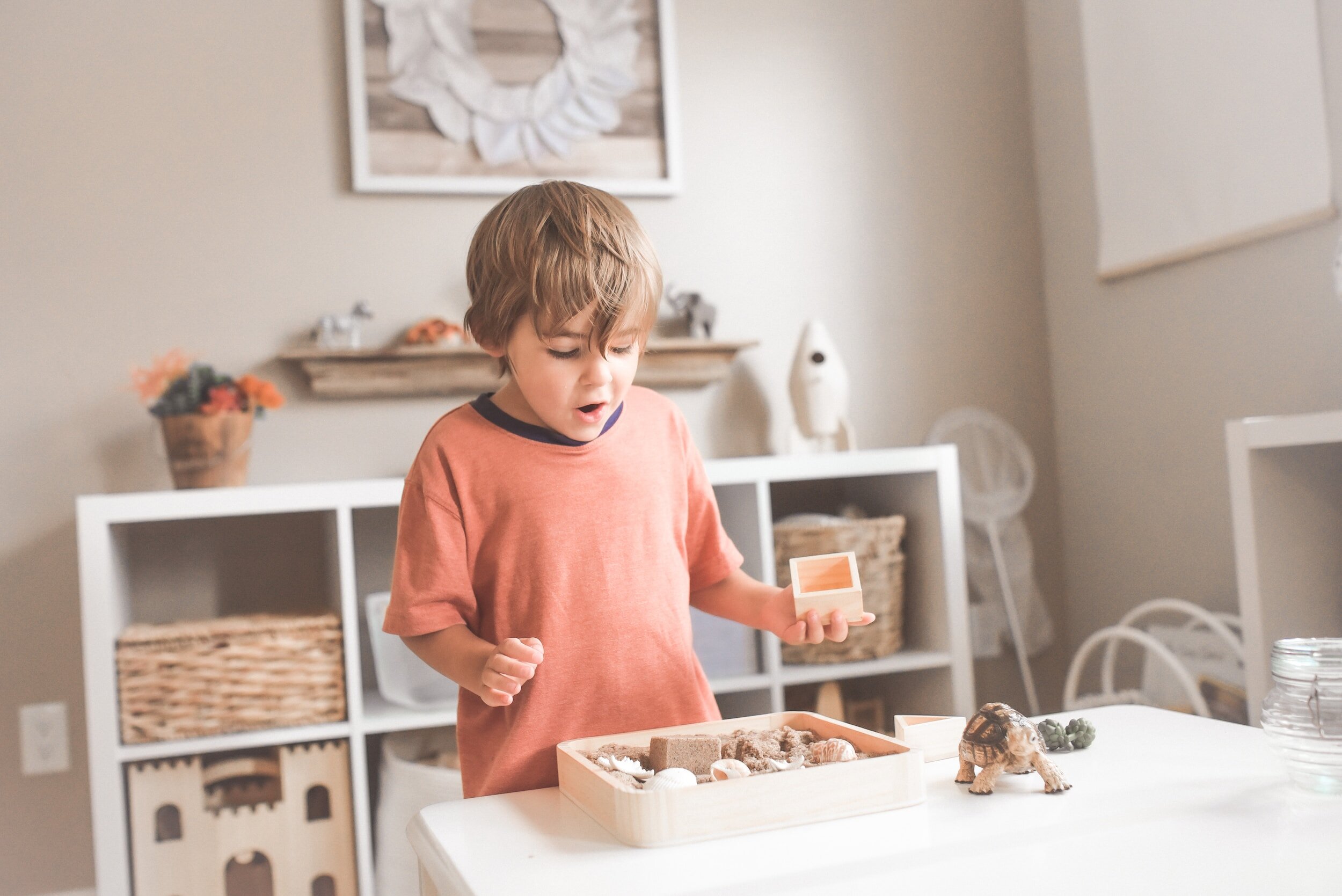
Adopting the Montessori approach at home can be a daunting task. After all, Montessori educators undergo extensive training and specialize in educating children based on years of practice.
To begin practicing Montessori education, the first thing to do is set realistic goals. You don't need to be THE perfect Montessori parent. Enjoy yourself and make your child happy as you progress and learn together.
1. Show your child that they are important to you.
Talk to your child using respectful language, listen to what they have to say, and ask for their opinion.
Children need to feel listened to, loved, and safe. The way you interact with your child shapes the way they will interact with others.
2. Set consistent expectations and boundaries
Set consistent expectations and clear boundaries for behavior. Boundaries are natural consequences when negative behavior persists.
For example, when your child takes a bath, you expect the water to stay in the tub. If your child continues to splash, you can:
Express the instruction in a positive way, for example: "The water must stay in the bathtub."
Explain the limit, for example: "If you keep splashing, the floor will be slippery and it will be dangerous."
If the splashing continues, firmly enforce the limit, for example: "You've splashed water everywhere outside the bathtub, and the floor is slippery. Bath time is over. We can try again tomorrow. Would you like to dry yourself off, or would you like some help?"
3. Cultivate a sense of security through routine
Establish a predictable routine for daily activities and do things the same way every day.
Routine and predictability teach children what is expected of them and when. This makes children feel secure, which helps them regulate their emotions.
4. Offer controlled choices to show that you value their opinion.
Offer your child a controlled choice between "this" or "that" so that they can exercise their freedom within certain limits at home. For example: "Would you like a sandwich or pasta for lunch?" - "Would you like to wear the red sweater or the green sweater today?"
By offering your child limited choices, you show them that you value their opinion and that what they think matters.
5. Show, don't tell
When showing your child an activity, get down to their level and use as few words as possible so that they focus on your hands rather than your mouth.
It is also important to present the activity from left to right and top to bottom to help your child develop a sense of order. This will help prepare them for writing and reading.
6. Observe your child
Observe your child carefully and take note of their interests, strengths, and abilities.
When you notice a new fascination, suggest activities that will broaden their interests and encourage them to develop new skills.
7. Use leading questions to encourage problem solving
When your child asks a question, use leading questions to encourage them to solve problems on their own.
For example, if your child asks, "Where are my shoes?", you can choose to respond with, "Where did you last see your shoes?".
8. Everything in its place
Accessibility and order are key considerations when setting up a Montessori learning space. Use the following mantra: "Does it have a purpose and a place?" when organizing your child's play area.
Choose child-sized furniture and display activities on low, open shelves, in baskets, or on trays that your child can easily access. Choose four to eight activities to display and rotate them based on your child's interest. Less is often more.
9. Promote independence and autonomy
Look for opportunities for independence that are appropriate for your child's age and skill level.
For an infant, this may involve learning to drink from a cup or eat with a spoon, while preschoolers may be able to brush their teeth, prepare a simple snack, set the table, or empty the dishwasher (with your help).
10. Slow down and take a step back
Children are capable of amazing things when you take a step back and give them the time and space they need to figure things out for themselves.
In practice, this may mean giving your child an extra 10 minutes in the morning to get dressed on their own or encouraging them to try something in a different way instead of doing it for them.